



Dental Bonding Springbank Calgary
Minor cosmetic imperfections on the front teeth, such as small chips or slight discolourations, can take a toll on your smile. They can be uncomfortable and make it difficult for you to present yourself in social and professional situations. Fortunately, a quick and easy fix for these minor issues is readily available through dental bonding or cosmetic tooth bonding.
Carry on reading to learn more about this process and how this can help you bring your smile A game back.
What is Dental Bonding?
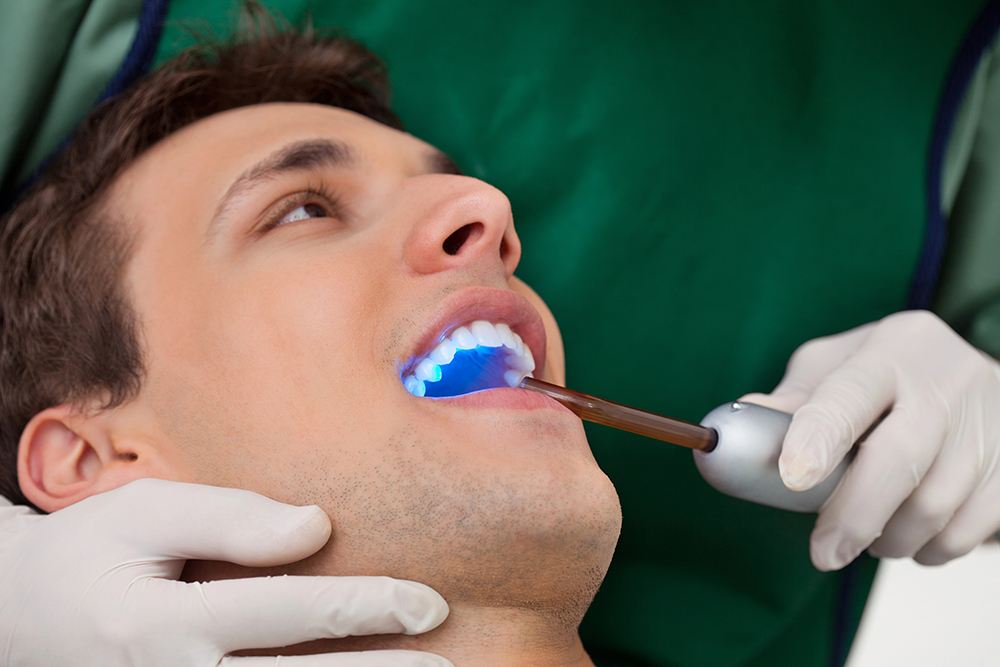
We have all heard about tooth fillings as a cosmetic repair for broken teeth. But aside from this procedure, Springbank Hill Dental in SW Calgary also offers dental bonding.
Dental or tooth bonding is a more conservative approach to cosmetic tooth repair. It aims to retain as much natural tooth structure while repairing irregularities on your teeth and improving your smile. In this procedure, composite resin is used to make minor changes to the size, shape, length, and colour of the front teeth. This is the same material for dental fillings.
When is Dental Bonding ideal?
Dental bonding in SW Calgary is a cosmetic dentistry procedure that mainly targets small cosmetic concerns to restore and renew the appearance and function of your front teeth.
They address problems such as:
- Chipped tooth
- Uneven tooth
- Decays or cavities
- Slightly misplaced tooth
- Discoloured teeth
- Small gaps between the teeth
Remember that dental bonding is recommended for minor modifications only. Your dentist at Springbank Hill SW Calgary will help you discover more suitable options for teeth improvements or smile makeovers that need extensive work.
Advantages of Dental Bonding
If applicable, there are many reasons why your dentist will choose dental bonding over other cosmetic dentistry options.
Quick procedure, lasting smile
Dental bonding in Springbank Hill Dental takes just an hour or even less. No significant tooth reductions and special dental equipment are needed. After the procedure, the result is a smile that can last for years with great care.
Kind to the tooth
Unlike other cosmetic dentistry repair procedures, such as a dental crown, a tooth bonding treatment involves less damage to the natural tooth enamel. Tooth bonding uses adhesives that help it cling to the tooth. This helps keep the process as minimally invasive as possible.
Cost-effective cosmetic repair
Cosmetic tooth bonding is a cheaper option compared to other treatments, such as veneers or crowns— no need to worry about spending so much for a small chipped tooth or minimal tooth stains.
Naturally beautiful
Our dentists at Springbank Hill SW Calgary use tooth-coloured composite resin of premiere quality and top-of-the-line aesthetics. This creates a natural-looking tooth restoration through dental bonding that looks and feels like real teeth.
Reliable strength for function
Restoring the tooth through dental bonding reinforces its structure and strength so you can continue with normal tooth functions. You can smile, eat, and talk as you want with a fully functional and beautiful set of teeth.
Dental Bonding Process
The dental bonding can take between 30 to 60 minutes per tooth. Let us walk you through the process of dental bonding in SW Calgary, so you know what to expect:
Consultation and Assessment
First, we begin the treatment by identifying if dental bonding is the correct procedure for you. Our dentist will take a closer look at your teeth and smile through dental examination and X-rays. Then, they will design a customized treatment plan according to your goals and expectations.
Preparing and shaping the tooth
Then, the procedure begins with tooth preparation, wherein discolourations are shaved off and small chips are rounded to remove harsh lines. This helps the composite resin to adhere seamlessly to the tooth.
Once ready, your dentist will dry the tooth, shape the composite directly on the surface, and mould it to the perfect size and shape. Colour matching is also accomplished to ensure that the composite looks naturally similar to the rest of your teeth. Then, the resin is cured in place to let it harden.
Finishing and Polishing
After the composite material cures, your dentist will further trim any excess material to level it and remove bumps that look unnatural. Lastly, a polishing disk is used to smoothen out irregularities. This prevents plaque build-up on the tooth surface. Once done, your tooth will have a natural sheen that looks good as new!
Bite Check
The treatment is completed with a bite check. Your dentist will ask you to bite on coloured paper to assess if any area of the restoration is too high. This is vital for the longevity of your dental bonding. If these contact areas are not removed and polished, your new restoration will likely fracture.
Dental Bonding Maintenance
Bonded Teeth Care
Proper care and maintenance ensure that your bonded teeth will look beautiful in the years to come. While it does not guarantee that it will last a lifetime, many ways can help further its lifespan.
Avoid direct forces against the tooth
Composite resin does not have the strength that your natural tooth has, so it is good to practice extra caution. This is especially when you bite on hard foods and candy. These may compromise the structure of the bonded tooth and cause early restoration failure.
Use a mouthguard
If you are an athlete engaged in contact sports, a sports mouthguard is an excellent preventative measure to protect your bonded tooth. It can also prevent damage to your other teeth when accidents happen during play.
Practice good oral hygiene
Prevent bacteria-causing plaque from thriving on your teeth and gums by regularly brushing your teeth, flossing, and using a mouthwash. Bacteria is notorious for causing restorations such as tooth bonding to fail as they cause decay to the natural tooth, thus needing early tooth bonding replacement.
Visit your dentist regularly
Lastly, schedule a visit to your dentist in SW Calgary every six months for routine dental check-ups and teeth cleanings. Regular dental visits are crucial for prevention and early diagnosis and treatment. This helps to maintain the health and appearance of your bonded tooth for a long time.
Cosmetic Dentistry at Springbank Hill Dental
Want to know if dental bonding in SW Calgary is the right solution to revitalize your smile and look? Our team at Springbank Hill Dental is looking forward to helping you out. You can book a visit online or call us at 403 – 454 – 4757.
With our vast array of treatment options for cosmetic treatments, we can surely find a way to bring back your smile.
Why Choose Springbank Hill Dental?

CONVENIENT APPOINTMENTS
We understand that you are busy and don't always have time to visit a dentist for a routine checkup in the middle of your Monday. That's why we offer extended hours to serve our clients better. We are also open Saturdays.

DIRECT BILLING TO INSURANCE PLANS
To support our clients, we offer direct billing, predeterminations of treatments, and financial arrangements to all our patients to ensure smooth and easy payment transactions.

PAYMENT PLANS & FINANCING AVAILABLE
We understand that dental services can be an unexpected expense. That's why we offer flexible payment plans and options to suit our patients' needs. Speak with one of our dental assistants to learn more.

FREE PARKING
At Springbank Hill Dental, you will never struggle to find parking. Our clinics offer convenient parking options that are free of charge to our patients. It's one more way we work to put a smile on your face.